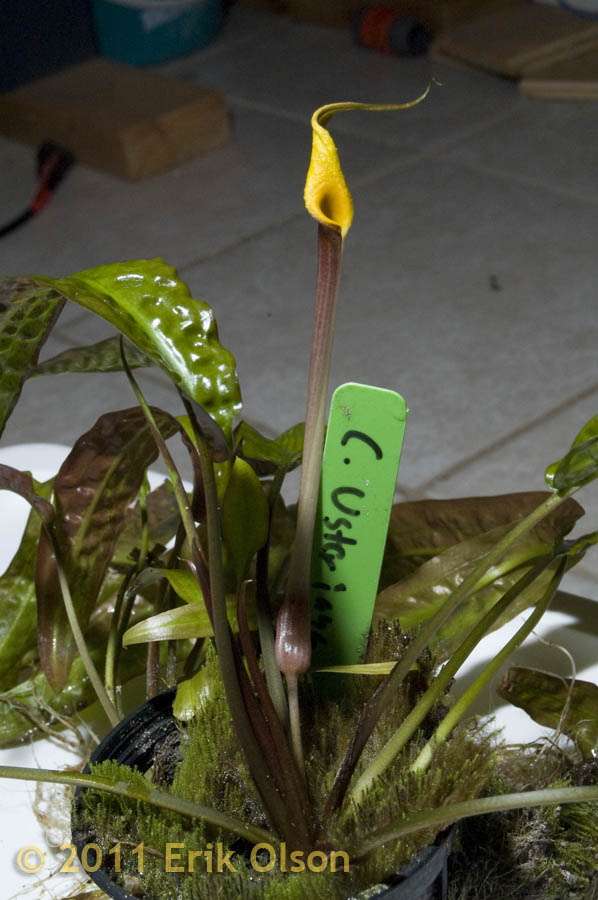
Cryptocoryne usteriana, emergent spathe. Good for 25 points!

Cryptocoryne usteriana, emergent spathe. Good for 25 points!
The Greater Seattle Aquarium Society is one of the best clubs in the world for people who love aquatic plants! The purpose of the Horticulture Awards Program is to encourage our members to try new species, new ways of propagating those species, to learn new things, and to share their successes. We award points as a way to recognize and celebrate those efforts!
Points can be earned TWO TIMES PER SPECIES. A species is considered a plant with a unique Genus, Species, and (optional) Variety. You can earn points for the following activities:
What does it mean to grow a plant? You get an aquatic plant and then grow it enough that you now have two plants. Submit a form on the GSAS website that has a picture and tells a little about your setup and the experience of growing it. It’s that simple.
Some plants are more difficult to grow than others, so those plants are worth more points. You don’t have to know which class a plant is in for you to make a HAP submission, but you do need to know the latin name of the species.
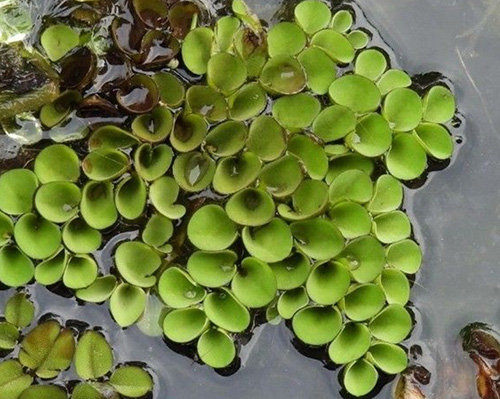
Salvinia, an easy Class A Plant
Plants in this category are generally easy to grow. Floating plants, mosses, bladderworts, and some of the more hardy stem plants are Class A. If you double the original amount of plant material, you’ll get points for Class A.
Some examples: Lemna sp. (duckweed), Phyllanthus fluitans (Red Root Floater), Salvinia sp., Najas sp. (Guppy grass), Utricularia gibba, some Bacopa sp., some Hygrophila sp.
Plants in Class B are mostly stem plants and runners. Doubling these plants means either cutting and replanting stems and letting them grow to the height of the original, or in the case of runners, letting a new baby plant grow to full size.
Some examples: Valisneria sp., Rotala sp., Hydrocotyle sp., Riccia sp., Ceratopteris (water sprite), Microsorum pteropus (Java fern), Blyxa sp.
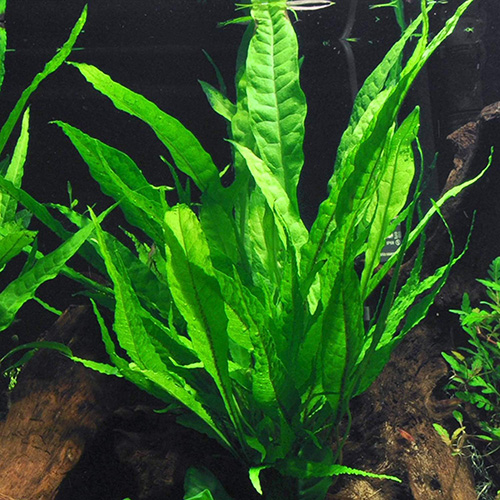
Java Fern, a Class C Plant
Plants from Class C are mostly plants that grow from rhizome, base division, or tuber. If you grow the plant enough to split it off from the parent and it can stand alone as its own plant, you’ll get points for this category.
Some examples: Cryptocoryne sp., Anubias sp., Echinodorus sp. (sword plant), Nymphaea sp. (water lily), Eriocaulon sp., Bucephalandra sp.
These plants are traditionally challenging to grow indoors and many require high light, high fertilization, or CO2.
Some examples: Aponogeton madagascariensis (Madagascar Lace Plant), Ottelia alismoidees, Syngonanthus macrocaulon, Tonina fluviatilis, Crepidomanes malibacarum, Anubias sp. ‘varigated’
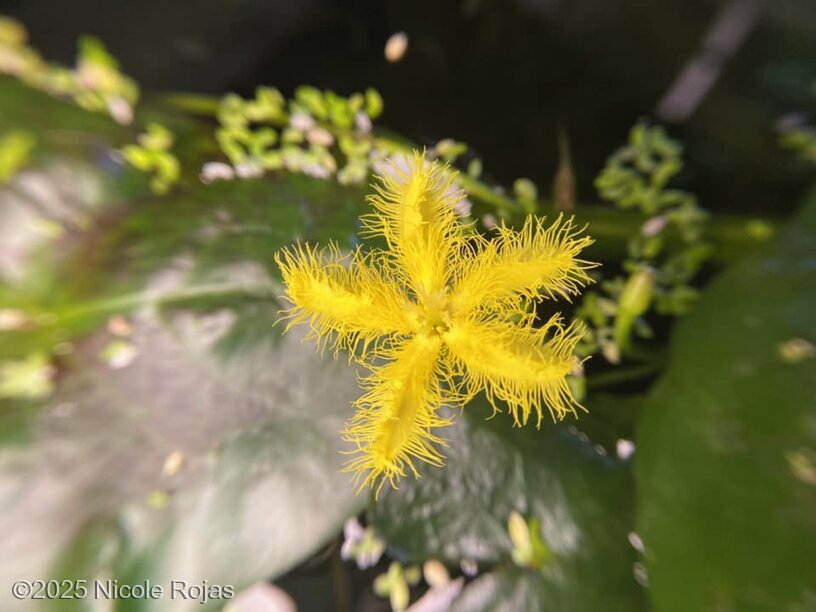
Nymphoides crenata flowering, good for 25 points
This category is awarded in addition to growing the plant, but for the sake of bookkeeping, please only include one bonus point activity per submission. For every species submission, you can get additional bonus points for doing the categories below. Each bonus point category can be submitted twice per species.
*If a plant has been awarded different points in the past, we will award current submissions with the highest number of historical points.
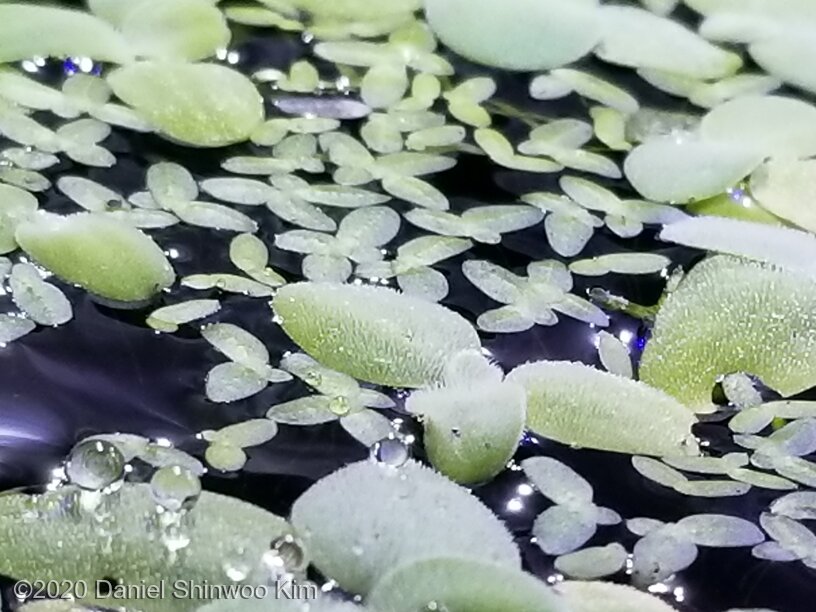
Lemna minor (duckweed)
Say you get a spec of duckweed in your tank. This fast growing plant is Class A, and each time you double the amount you can submit it for 5 points (10 points possible). You take a couple bags of duckweed and donate them to the GSAS general auction. This is worth 25 points per donation (50 points possible - even for duckweed)! This one plant can be worth 60 points, and you’re now a ‘Novice Plant Breeder’.
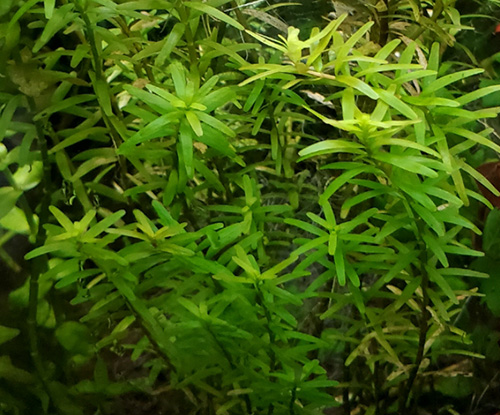
Rotala rotundifolia ‘coin leaf’
You buy a bunch of Rotala rotundifolia ‘coin leaf’ at Sierra Fish and Pet. This is a stem plant in Class B. It doubles in size and you trim and replant the new growth. It grows up and out of your tank and flowers. You submit two HAP entries showing pictures of your tank (Class B, 10 grow points each), but you also include pictures of the flowers in this submission (+25 bonus points each). You’ll get 70 points! You then take two newly propagated bunches of stems and donate them to the GSAS monthly auction and submit entries showing pictures of your donation bags. That’s 50 more points - 120 points total for just this plant! This variety of Rotala sp. is unique - other varieties of Rotala like ‘Blood Red', 'Green', 'H'ra', or 'Orange Juice’ can also be submitted!
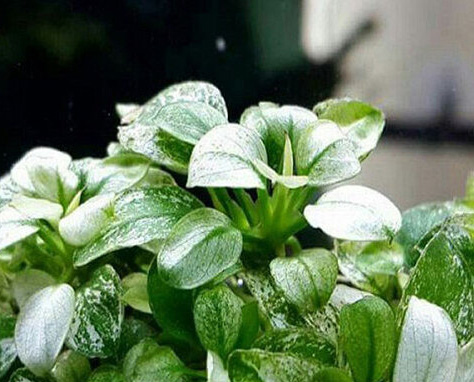
Anubias nana ‘Petite White’
You won a tissue culture of Anubias nana ‘Petite White’ at the GSAS plant auction. This challenging plant is in Class D. You acclimate and grow this plant until it has enough growth to split off into its own independent plant. You do this twice, and each grow is worth 25 points (50 points possible). Since it is a tissue culture, there’s a bonus of 25 points per grow (50 points possible). Say it also flowers in your tank; this also gives a 25 point bonus per submission (50 points possible). Say that, each time you grow it, you take the new plant and donate it to the GSAS monthly auction. You can do this for a bonus 25 points (50 points possible). This one plant can be worth 200 points!!!
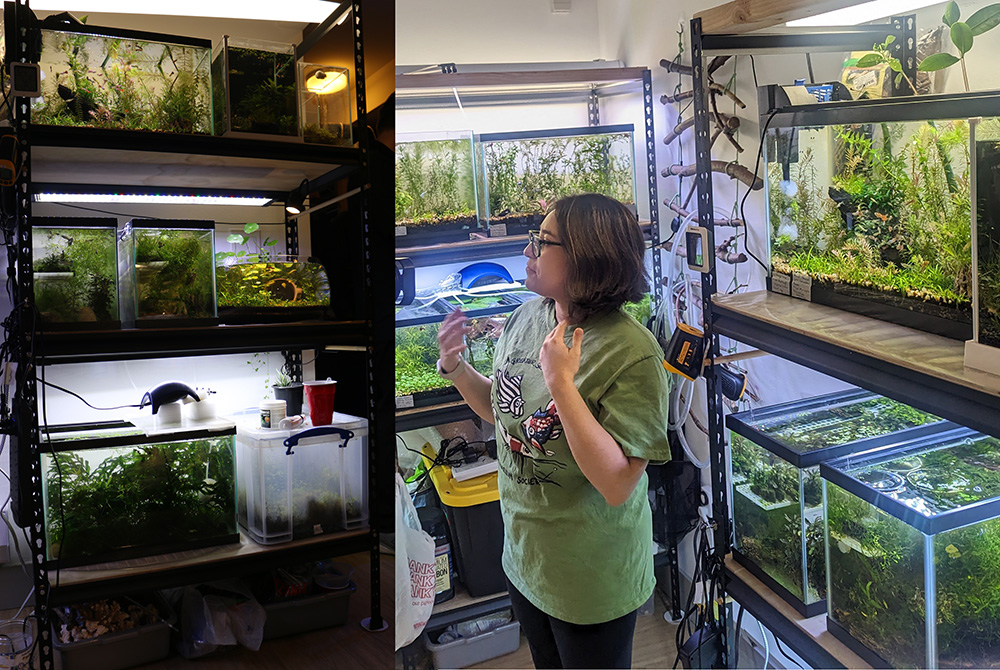
Start earning those points, and you too can become a HAP champ!
Certificates for each award level will be awarded during the monthly meetings. At each Master level, you get a gift certificate to your favorite sponsor store! Beyond master level, you advance to the next rank. The ranks have no upper limit!